
Key Points
- Always verify licensing, insurance, and NATE certification before hiring any HVAC contractor
- Getting at least three detailed, itemized estimates helps ensure fair and transparent pricing
- Local experience matters as contractors familiar with West Virginia’s climate deliver better results
- A reputable HVAC company should offer maintenance plans, warranties, and emergency availability
- Online reviews and references from past clients are among the most reliable indicators of quality
Choosing the right HVAC contractor in West Virginia is a decision that affects your home’s comfort, energy costs, and system longevity for years to come. With humid summers across the Kanawha Valley and cold winters throughout Cabell and Putnam counties, having a qualified local technician you can trust is not a luxury. It is a necessity. Knowing exactly what to look for makes the hiring process straightforward rather than overwhelming.
Start With Research and Trusted Recommendations
The most reliable starting point is word of mouth. Homeowners across West Virginia consistently find that recommendations from neighbors, family members, and community groups point them toward contractors with proven local track records. A company that has served the same communities for years has earned its reputation through consistent results.
Beyond personal referrals, look for contractors with clearly documented service areas, verifiable years in business, and a history of handling projects similar to yours. In our service calls throughout West Virginia, the homeowners who are most satisfied with their contractor choice are those who took the time to research before making a call rather than choosing based on price alone.
Verify Licenses, Certifications, and Insurance
A reputable HVAC contractor will readily provide proof of licensing, certifications, and insurance coverage upon request. West Virginia requires HVAC contractors to hold valid state licenses, and working with an unlicensed technician exposes homeowners to liability and substandard work with no legal recourse.
Certification from NATE, the North American Technician Excellence program, is one of the strongest indicators of technical competency in the industry. NATE-certified technicians have demonstrated hands-on knowledge through rigorous testing and ongoing professional development. Always confirm the contractor also carries liability insurance and workers’ compensation before any work begins.
Evaluate the Contractor’s Local Experience
Local experience is one of the most undervalued factors in hiring an HVAC contractor. A technician who has worked extensively in West Virginia understands the regional climate demands, common housing construction styles, and local code requirements that affect installation and repair quality. That familiarity translates directly into better outcomes for homeowners.
Ask how long the contractor has been serving your area and whether they have handled projects with systems similar to yours. Contractors with deep roots in the community are more accountable and more likely to stand behind their work over the long term.
Compare Detailed Estimates Before Committing
Requesting at least three itemized estimates is one of the most effective ways to protect against overcharging and vague scopes of work. A properly detailed estimate should include labor costs, equipment brands and model numbers, energy efficiency ratings, warranty terms, and a clear project timeline. Anything less leaves too much room for unexpected charges.
According to the U.S. Department of Energy, heating and cooling account for nearly half of a home’s total energy use, making equipment selection a critical part of any installation estimate. Comparing estimates side by side ensures you are evaluating equivalent equipment and service levels rather than simply choosing the lowest number.
Read Reviews and Check the Contractor’s Reputation
Online reviews provide an unfiltered look at how a contractor performs in the field. Look for consistent patterns across multiple reviews rather than focusing on individual experiences. Repeated praise for punctuality, clean workmanship, and clear communication are strong positive indicators. Recurring complaints about missed appointments or poor follow-through are red flags worth taking seriously.
Pay close attention to how the contractor responds to negative reviews. A professional, solution-oriented response signals accountability and a genuine commitment to customer satisfaction. A contractor who dismisses complaints or goes silent is showing you how they will handle problems with your project as well.
Make Sure the Contractor Offers the Services You Need
Not every HVAC company offers the same range of services, and choosing one that can handle your full scope of needs saves time and prevents the hassle of managing multiple contractors. Look for a company that covers installation, maintenance, repair, and emergency service under one roof.
Key services to confirm before hiring include:
- Installation and replacement: Including AC installation, furnace installation, heat pumps, and ductless mini-split systems
- Routine maintenance: Seasonal tune-ups, inspections, and cleaning to keep systems running efficiently year-round
- Emergency repairs: 24/7 availability for urgent situations that cannot wait for a scheduled appointment
- Indoor air quality solutions: Dehumidifiers, UV light systems, and air filtration options for healthier home environments
Ask About Warranties for Both Equipment and Labor
A strong warranty package is one of the clearest signs of a contractor who stands behind their work. Every installation should include both a manufacturer’s warranty covering major system components and a workmanship warranty covering the quality of the installation itself. If a contractor cannot clearly explain both, that is a concern worth taking seriously.
Understand the duration of each warranty and the conditions that could void coverage. A workmanship warranty protects you if installation errors lead to performance problems down the line, which is especially important for complex systems like heat pumps and multi-zone setups.
Ask Whether the Contractor Offers Maintenance Plans
A quality maintenance plan is one of the best investments a homeowner can make after a new HVAC installation. Regular professional service keeps systems running efficiently, extends equipment lifespan, and catches small issues before they become costly repairs. Ask for a written agreement that clearly outlines what is included.
A well-structured AC maintenance plan should include:
- Scheduled inspections: Bi-annual visits covering both heating and cooling systems before each season
- Cleaning services: Coil cleaning, filter inspection, and clearing of drain lines and internal components
- Priority service: Faster response times and preferred scheduling during peak demand periods
Choosing the Right HVAC Partner in West Virginia
Hiring the right HVAC contractor comes down to doing the groundwork before committing. Verified credentials, local experience, transparent pricing, and a full range of services are the foundation of a reliable partnership. Homeowners who take the time to evaluate these factors consistently report better results, fewer surprises, and more confidence in their investment.
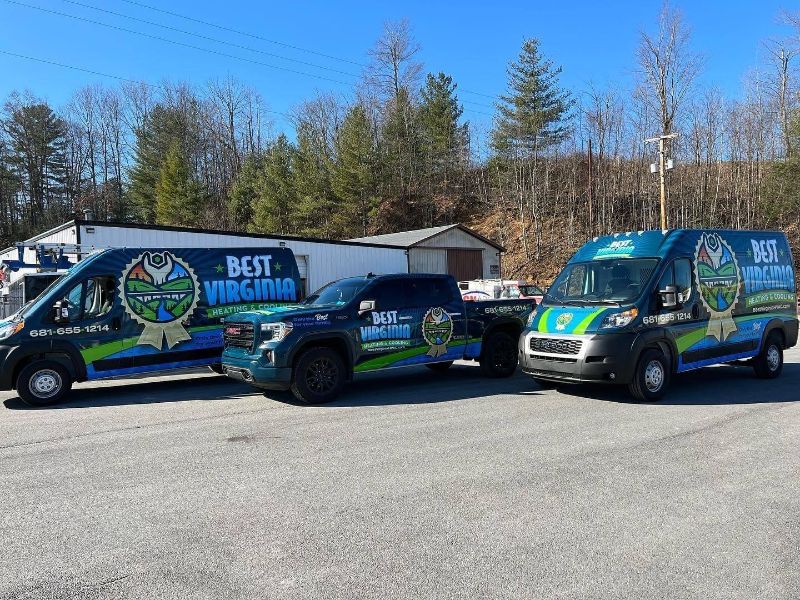
Best Virginia Heating & Cooling brings verified expertise, local knowledge, and a commitment to quality service to homeowners throughout West Virginia. Contact our team today to schedule a consultation and get the right HVAC solution for your home.
Frequently Asked Questions
What Are the Typical Payment Terms for HVAC Services?
How Long Can I Expect the Installation Process to Take?
Are There Any Special Permits Required for HVAC Installation in My Area?
How Do You Handle Unexpected Issues or Complications During a Project?
You should ask the contractor how they manage unexpected issues. They should explain their problem-solving process, communication strategy, and contingency plans. A good contractor will proactively address complications to guarantee minimal disruption and project success.