
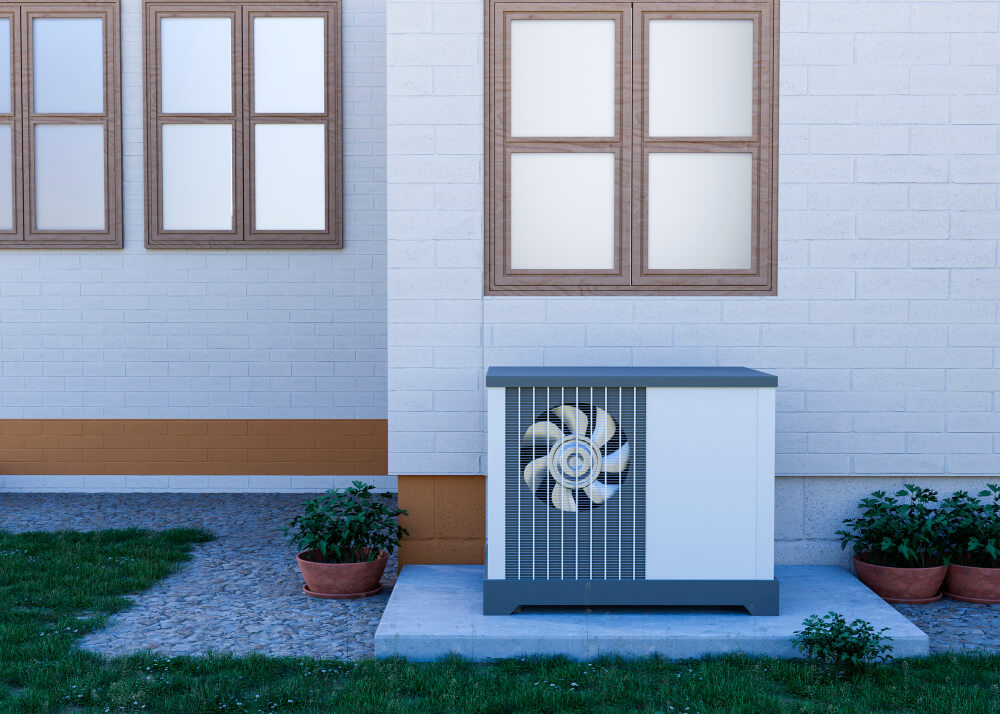
Imagine coming home on a chilly evening to find your living room colder than expected despite having the thermostat set to a comfortable temperature. This inconsistency could indicate that your home heating system needs immediate repair. Unusual noises, rising energy bills, and frequent cycling indicate something wrong. You might also notice weak airflow or strange odors, which suggest underlying issues. Ignoring these signs can lead to more extensive problems, so acting promptly is crucial to ensure your heating system operates efficiently.
Unusual Noises
Unusual noises like banging, rattling, or whistling often indicate mechanical issues within your home heating system. When you hear these sounds, it’s essential to identify the source promptly to prevent further damage—banging often results from air bubbles trapped within the pipes, causing an uneven flow. This can lead to pipe corrosion or, worse, a burst pipe. Clanking sounds usually come from loose or broken parts within the system, such as a deteriorating blower wheel or loose motor mounts. If not addressed, these can cause system failure or inefficient heating.
Whistling noises are typically a sign of airflow problems. This can be due to clogged filters, restricted ducts, or issues with the blower. When airflow is compromised, your system has to work harder, leading to increased energy consumption and potential overheating. By promptly addressing these noises, you guarantee the longevity of your heating system and maintain a comfortable environment for those you serve.
Regular maintenance checks and professional inspections can help you catch these issues early. Encourage those you serve to report any unusual sounds immediately, guaranteeing their heating system operates efficiently and safely.
Inconsistent Temperatures
Inconsistent temperatures throughout your home often signal underlying issues within your heating system that need immediate attention. When one room feels like a sauna while another feels like an icebox, it points to potential problems such as faulty thermostats, uneven ductwork, or malfunctioning components within the heating unit. Addressing these issues promptly guarantees a comfortable living environment for those you care about.
Faulty thermostats can cause your heating system to misread temperature settings, leading to uneven heating. Check if the thermostat is calibrated correctly or needs replacement. Also, zoning systems should be considered to better manage temperature control in different areas.
Uneven ductwork can restrict airflow, causing hot and cold spots. Inspect ducts for leaks, blockages, or improper insulation. Sealing leaks and verifying proper duct design can significantly improve temperature consistency. Professional ductwork repair, like sealing leaks and adding insulation, can help keep your home’s temperature even.
Malfunctioning components within the heating unit, such as a failing blower motor or clogged filters, can also disrupt even heat distribution. Regularly maintaining your heating system, including cleaning filters and checking motor functionality, helps avoid these issues.
Rising Energy Bills
If you notice your energy bills climbing without a corresponding increase in usage, it’s often a sign of inefficiencies within your heating system. An inefficient system works harder to maintain the desired temperature, consuming more energy. This could be due to several factors, such as clogged filters, dirty burners, or failing components like the blower motor.
First, check your air filters. Dirty filters restrict airflow, forcing the system to work harder and use more energy. Replacing or cleaning filters regularly can improve efficiency. Next, inspect the burner. If it’s dirty or malfunctioning, it won’t burn fuel effectively, leading to higher energy consumption. A professional can clean and adjust the burner to guarantee peak performance.
Another critical component is the blower motor. If it’s not operating correctly, it can cause the system to run longer cycles, increasing energy usage. Verify the motor is in good condition and properly lubricated. Additionally, consider the age of your heating system. Older systems are generally less efficient and may require more frequent maintenance or even replacement.
Frequent Cycling
Frequent cycling, where your heating system turns on and off more often than usual, indicates underlying issues that need immediate attention. This behavior suggests that the system is struggling to maintain the desired temperature, which can lead to increased wear and tear on components. The root cause could be anything from a malfunctioning thermostat to clogged filters or even an improperly sized unit for your home.
To diagnose frequent cycling, check your thermostat settings and verify they are correct. A miscalibrated thermostat can send incorrect signals to your heating system, causing it to cycle unnecessarily. Next, inspect your air filters. Dirty or clogged filters restrict airflow, forcing the system to work harder and cycle more frequently. Replacing or cleaning filters can often resolve the issue.
If these steps don’t solve the problem, it’s time to call a professional technician. They can thoroughly inspect, checking for issues like short-cycling compressors or faulty wiring. Addressing frequent cycling promptly not only restores efficiency but also extends the lifespan of your heating system, guaranteeing you can continue to serve your household effectively. Don’t delay—take action to keep your heating system running smoothly.
Weak Airflow
Experiencing weak airflow from your heating system often signals blockages or mechanical issues that can compromise its efficiency. When the airflow through your vents is reduced, your system has to work harder to maintain the desired temperature, leading to increased energy consumption and potential overstrain on components.
Start by inspecting your air filters. Clogged filters restrict airflow, causing your system to struggle. Be sure to include air filter replacement as part of your regular maintenance. Replace them if they appear dirty. Next, check your ductwork for obstructions or leaks. Ducts can accumulate dust and debris or suffer from damage that allows heated air to escape before reaching your living spaces.
The blower motor, which is responsible for pushing air through the system, might also be malfunctioning. If it’s running at reduced power or not at all, you’ll experience weak airflow. Lubricate the motor and inspect the blower wheel for dust accumulation or physical damage.
Additionally, examine the registers and vents within your home. Verify they’re not blocked by furniture or other items. Proper airflow relies on unobstructed pathways. If you’ve addressed these issues and still notice weak airflow, it’s time to consult a professional. Prompt attention guarantees that your heating system operates efficiently, making your home comfortable and energy-efficient.
Strange Odors
Strange odors emanating from your heating system often indicate underlying issues that require immediate attention. If you notice a burning smell, this might suggest that dust has accumulated in your system, especially if it’s the first time you’re turning it on for the season. However, if the odor persists, it could mean more severe problems, such as an overheating component or electrical issues. Addressing these promptly will prevent potential hazards.
A musty or moldy smell indicates mold growth within your ductwork or the heating unit itself. Since mold can adversely affect air quality and cause health issues, a professional must inspect and clean the system.
A rotten egg smell, often associated with natural gas leaks, is particularly alarming. Natural gas is odorless, but utility companies add a sulfur-like scent to warn of leaks. If you detect this odor, you should immediately shut off the system, leave your home, and call your gas company.
Yellow Pilot Light
A yellow pilot light often signals incomplete combustion in your heating system, indicating a need for immediate inspection. Typically, the pilot light should burn blue. When it turns yellow, it suggests that the gas-to-air ratio is off, which could be hazardous. Incomplete combustion usually means your system isn’t burning fuel efficiently, potentially leading to carbon monoxide buildup—a severe health risk.
Several vital factors could cause a yellow pilot light:
- Dirty Burner: Dust and debris might obstruct the burner, altering the flame color.
- Ventilation Issues: Blocked vents can restrict airflow, hindering proper combustion.
- Gas Pressure Problems: Incorrect gas pressure can disrupt the flame’s color balance.
Addressing a yellow pilot light promptly is vital. You need to verify that it’s burning correctly to maintain your system’s efficiency and safety. Ignoring this issue could lead to more significant problems, including carbon monoxide poisoning, which is life-threatening.
To serve others effectively, understanding these technical aspects helps you make informed decisions about when to seek professional help. Regular maintenance checks and addressing issues like a yellow pilot light can extend the lifespan of your heating system and guarantee a safe, warm environment for everyone.
Excessive Dust
Frequently encountering excessive dust around your heating system could indicate that your unit’s filters and ducts need immediate attention. When clogged, filters fail to effectively trap dust and other particles. This can lead to an accumulation of dust in your home’s air, reducing air quality and potentially causing respiratory issues for occupants.
Additionally, dirty or leaky ducts can exacerbate the problem. Leaks in the ductwork allow dust from unconditioned spaces, like attics or basements, to enter the airflow system.
This not only spreads dust throughout your home but also decreases the efficiency of your heating system, making it work harder and potentially leading to higher energy bills.
To address this issue, inspect your filters monthly and replace them as needed, usually every one to three months. Also, consider scheduling a professional duct cleaning service if you notice persistent dust or reduced system efficiency. Proper maintenance of your heating system’s filters and ducts guarantees cleaner air and prolongs your unit’s life. By promptly addressing excessive dust, you enhance the comfort and health of your home’s environment, effectively serving your household’s needs.
Conclusion
By addressing unusual noises, inconsistent temperatures, rising energy bills, frequent cycling, weak airflow, strange odors, a yellow pilot light, and excessive dust, you’ll maintain a safe and efficient heating system. Ignoring these signs can lead to costly repairs and compromised comfort. Act now, inspect regularly, and don’t hesitate to call a professional. Your proactive approach guarantees a warm, worry-free home. Keep your system tuned, your energy bills low, and your family safe.