

Key Points
- Regular professional HVAC maintenance is the single most impactful step for improving AC efficiency
- Scott Depot’s humid summers put above-average strain on cooling systems, making efficiency habits especially important
- Duct leaks and dirty filters are among the most common causes of wasted cooling energy in local homes
- Simple habits like adjusting thermostat settings and limiting heat-generating appliances during the day reduce AC runtime
- Best Virginia Heating and Cooling provides AC tune-ups and efficiency services throughout Scott Depot and Putnam County
Summers in Scott Depot, WV bring the kind of sustained heat and humidity that keeps air conditioners running hard for months at a time. For many local homeowners in the Teays Valley area, that means energy bills that climb steadily through July and August while comfort lags behind.
The good news is that several proven strategies can meaningfully improve your AC’s efficiency without a full system replacement. Here is what Best Virginia Heating and Cooling recommends for homeowners throughout Scott Depot and Putnam County.
1. Schedule Regular Professional AC Maintenance
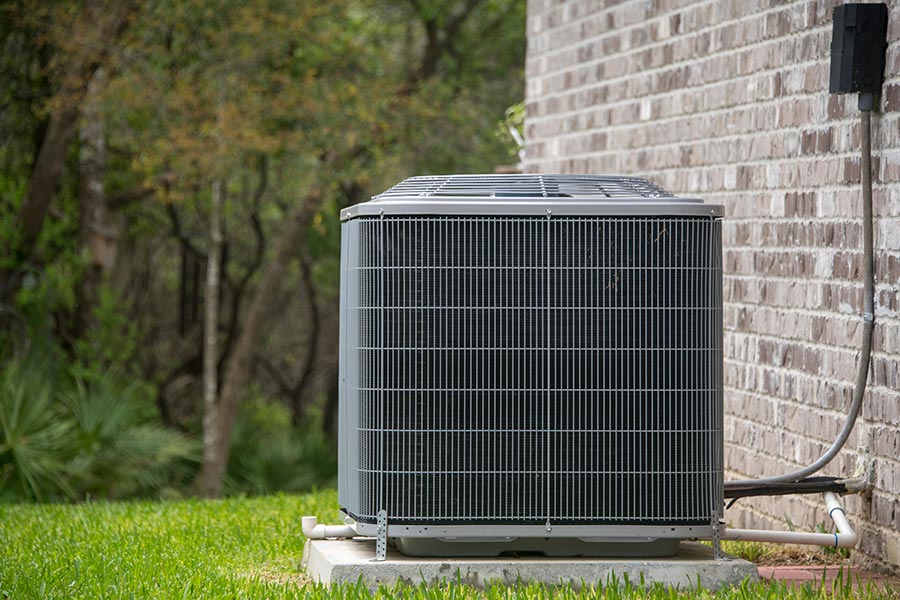
The most impactful step any homeowner can take for AC efficiency is keeping up with professional maintenance. A professional AC tune-up covers the components that directly affect how hard your system works: coil cleaning, refrigerant level verification, electrical connection checks, and airflow assessment.
Scheduling a tune-up in early to mid-spring, before Scott Depot’s heat season begins, ensures your system is operating at peak efficiency when it matters most. According to the U.S. Department of Energy, routine maintenance can improve air conditioner efficiency by up to 15 percent compared to a neglected system. That kind of improvement shows up directly on your monthly energy bill.
2. Reduce Indoor Heat Sources During Peak Hours
Many homeowners overlook how much heat is generated inside the home by everyday appliances. Dishwashers, dryers, washing machines, and water heaters all produce heat during operation, and running them during the hottest part of the day forces your air conditioner to work harder to compensate.
Shifting these tasks to evening hours reduces indoor heat load during peak cooling demand and gives your AC system a meaningful break. The result is fewer runtime hours, less wear on system components, and lower energy consumption overall. Small scheduling changes like this cost nothing but can make a noticeable difference on your monthly bill during a long Scott Depot summer.
3. Use Fans and Dehumidifiers to Reduce AC Strain
Ceiling fans set to run counterclockwise in summer create a wind-chill effect that makes a room feel several degrees cooler without lowering the thermostat. This allows you to set your AC a few degrees higher while maintaining the same level of comfort, which reduces runtime and energy use.
Humidity is a significant factor in Scott Depot’s summer discomfort, and it directly affects how hard your AC works. High indoor humidity makes air feel warmer than it actually is, causing the system to run longer than necessary. A whole-home dehumidifier installation addresses this at the source, reducing the moisture load on your AC and improving comfort throughout the entire home rather than one room at a time.
4. Seal Air Leaks Around Windows and Doors
Hot outdoor air entering through gaps around windows and doors is one of the most common and most overlooked causes of reduced AC efficiency. When conditioned air escapes and warm air infiltrates, your system runs longer to make up the difference, consuming more energy without delivering better comfort.
According to ENERGY STAR, sealing air leaks and adding insulation is one of the most cost-effective ways to reduce home energy use, with potential savings of up to 15 percent on heating and cooling costs. Checking weatherstripping around exterior doors, applying caulk around window frames, and using window coverings during peak sun hours are all practical steps. A technician can also assess during a maintenance visit whether air infiltration is contributing to your system’s extended runtime.
5. Keep Your Ductwork Clean and Sealed
Your ductwork is responsible for delivering conditioned air to every room in your home, and its condition has a direct impact on how efficiently that air gets there. The U.S. Department of Energy estimates that leaky ducts can account for up to 30 percent of a home’s total cooling energy loss, making duct integrity one of the most important and most underaddressed efficiency factors in residential HVAC systems.
Cracks, disconnected joints, and punctures in ductwork allow cooled air to escape into unconditioned spaces like attics and crawlspaces before it ever reaches your living areas. Professional duct repair and sealing corrects these losses and restores the airflow balance your system was designed to deliver. Duct inspection and sealing every three to five years is a sound investment for any Scott Depot homeowner looking to keep cooling costs under control.
Keeping Your Scott Depot Home Cool and Efficient
Improving AC efficiency does not always require new equipment. In our service calls throughout Scott Depot and the Teays Valley area, the homes with the lowest cooling costs are consistently those where maintenance is current, ducts are sealed, and humidity is managed effectively.
Each of the five strategies above contributes to a system that runs less, costs less, and lasts longer. If you are ready to take a closer look at your home’s cooling performance, schedule your AC tune-up today with Best Virginia Heating and Cooling and get honest, experienced guidance from a local team that knows what Scott Depot summers demand.
Frequently Asked Questions
How can I make my AC more efficient without replacing it? The most effective steps are scheduling professional maintenance, sealing duct leaks, replacing dirty filters, and managing indoor humidity. These measures improve performance without requiring a new system.
What temperature should I set my thermostat to in summer? Most HVAC professionals recommend setting your thermostat between 74 and 76 degrees during the day. Each degree above 72 can reduce energy consumption by a meaningful amount over a full cooling season.
How often should AC ducts be inspected in Scott Depot, WV? Duct inspection and sealing every three to five years is a reasonable guideline for most homes. Older homes or those with a history of pest activity or moisture issues may warrant more frequent evaluation.
Does humidity affect air conditioner efficiency? Yes. High indoor humidity makes air feel warmer than it is, causing the AC to run longer to reach the set temperature. Controlling humidity with a dehumidifier reduces runtime and improves comfort simultaneously.
How much can regular AC maintenance save on energy bills? The U.S. Department of Energy estimates that routine maintenance can improve efficiency by up to 15 percent. For a home with average cooling costs, that translates to a meaningful reduction in monthly energy expenses over a full summer season.