
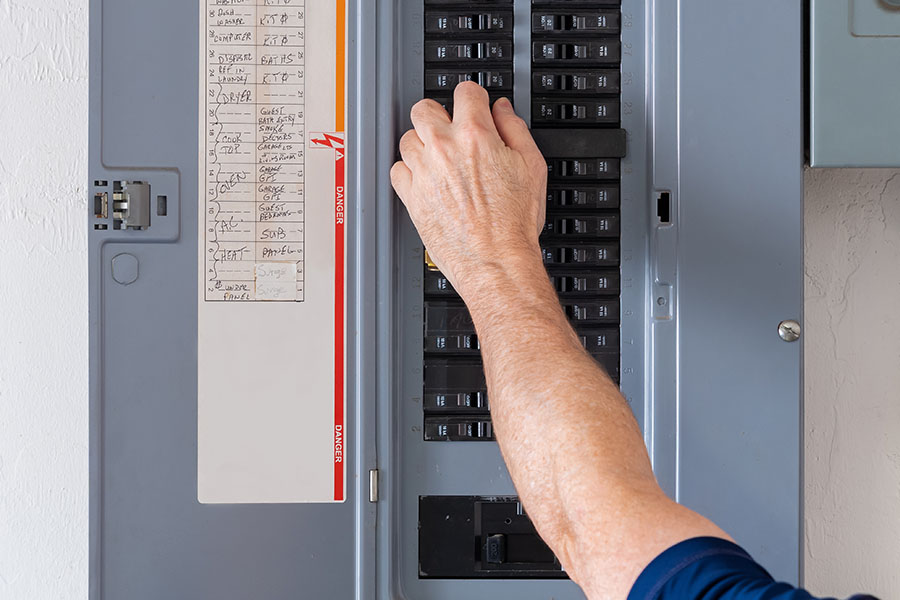
Key Points
- Fuse boxes and circuit breakers both protect your home from electrical overcurrent
- Fuse boxes are common in pre-1960s Hurricane homes and require physical fuse replacement after each event
- Circuit breakers are safer, reusable, and meet modern electrical code standards
- Upgrading from a fuse box can lower insurance costs and improve home resale value
- A licensed electrician should inspect your panel before any upgrades or home sale
Every homeowner has heard of fuse boxes and circuit breakers, but not everyone knows how they differ or how that difference affects the safety and value of their home. In Hurricane, West Virginia, where older housing stock is common and summer storm season brings frequent power fluctuations, understanding your home’s electrical setup is more important than most people realize.
Best Virginia Heating and Cooling provides professional electrical and HVAC services throughout Hurricane and the surrounding Putnam County area. Here is what local homeowners should know about the fuse box vs. circuit breaker distinction.
What Do These Systems Actually Do?
Both an electrical fuse box and a circuit breaker panel serve the same essential purpose: they control and distribute electricity safely throughout your home. Each provides overcurrent protection, meaning they stop the flow of electricity when there is too much current due to a short circuit or circuit overload. According to the National Fire Protection Association, electrical failures are among the leading causes of home fires in the United States, making these systems a critical line of defense.
In homes throughout Hurricane, it is not uncommon to find older properties still running on fuse boxes, while newer builds or recently updated homes rely on modern breaker panels. Knowing which system you have and how it performs can directly impact your household safety and your homeowner’s insurance rates.
Electrical Fuse Boxes: Still Found in Older Hurricane Homes
Fuses have been in use since home electrification first spread across West Virginia, and they are still found in many pre-1960s homes throughout Putnam County. In older neighborhoods near U.S. Route 60 and along the Kanawha River corridor, fuse boxes remain a common find during service calls. A traditional fuse box contains a series of fuses with small metal strips that melt when current exceeds safe levels, stopping electrical flow before it causes overheating or fire.
The problem is that once a fuse blows, it must be replaced with the exact same amperage rating before power can be restored. In a storm-prone area like Hurricane, where surges and outages are part of life, having to locate the right replacement fuse mid-storm adds unnecessary risk on top of inconvenience. As older systems fall further out of common use, sourcing the correct fuse is only getting harder.
Circuit Breaker Panels: The Modern Standard
A circuit breaker panel uses breakers that trip when they detect unsafe conditions, and unlike fuses, they can be reset with a simple switch flip. This makes them far more practical and safer for everyday use. Modern panels also include features like ground-fault circuit interrupter protection, which is especially important in kitchens, bathrooms, and laundry rooms where water and electricity come close together.
Today’s breaker panels are built to handle the electrical load that modern households demand, including high-efficiency heat pump systems and other heavy-draw HVAC equipment. Breakers are reusable, easier to troubleshoot, and provide more accurate protection than their fuse-based predecessors. For most Hurricane homeowners, a modern breaker panel is simply the safer and smarter long-term investment.
Fuse Box vs. Circuit Breaker: Key Differences
Here is how the two systems compare in real-world performance:
- Overcurrent protection: Both systems stop dangerous current flow, but fuse boxes sacrifice the fuse each time, while breakers trip and reset without any replacement needed.
- Manual reset: Circuit breakers reset with a switch flip. Fuse boxes require you to keep the correct fuse on hand and replace it correctly.
- Maintenance: Fuses require more hands-on management and are harder to troubleshoot. Breakers show a clear visual indicator when tripped.
- Safety and code compliance: Breaker panels meet current National Electrical Code standards and are generally preferred by insurance providers.
- Insurance implications: Many insurers charge higher premiums or limit coverage for homes with older fuse boxes, which can affect both carrying costs and resale value.
When Should You Consider an Electrical Panel Upgrade?
If your fuse box blows frequently, feels warm to the touch, or struggles to handle the load of modern appliances, an electrical panel upgrade is likely overdue. The same applies to older breaker panels that are no longer rated for today’s household demand. The U.S. Department of Energy recommends ensuring your home’s electrical infrastructure keeps pace with energy-efficient upgrades, especially when adding new HVAC equipment or smart home technology.
Here are the most common signs it is time to call a licensed electrician for an inspection:
- You have added new major appliances, a smart thermostat, or updated HVAC equipment
- Your homeowner’s insurance premiums are elevated due to an outdated electrical system
- You are remodeling or preparing to sell and need to meet current code requirements
- You have experienced repeated tripping, unexplained outages, or flickering lights
- Your home was built before 1970 and has never had an electrical panel replacement
An upgrade improves safety, supports modern energy use, and can add measurable value to your home.

Keeping Your Hurricane Home’s Electrical System Safe
Understanding the difference between a fuse box and a circuit breaker panel is the first step toward making informed decisions about your home’s electrical safety. Whether your home has an aging fuse box or a breaker panel that has not been inspected in years, a professional evaluation gives you the clarity you need. Working in homes across Hurricane and Putnam County, our team sees firsthand how outdated electrical systems create unnecessary risk for local families.
If you are unsure about the condition or capacity of your current system, do not wait for a problem to force the issue. Contact our team today to schedule an inspection and get honest, experienced guidance from a local provider you can trust.
Frequently Asked Questions
Can I replace a fuse box with a circuit breaker panel myself? No. Electrical panel replacement involves live wiring and must be performed by a licensed electrician to meet code requirements and ensure safety.
Will upgrading from a fuse box lower my homeowner’s insurance? In many cases, yes. Insurance providers often charge higher premiums for homes with older fuse boxes, and an upgrade can reduce those costs.
How long does a circuit breaker panel last? Most breaker panels are designed to last 25 to 40 years, though capacity and condition should be evaluated periodically, especially after major appliance additions.
Is a tripping circuit breaker a sign of a serious problem? Occasional tripping from overload is normal, but frequent or unexplained tripping can indicate wiring issues, a failing breaker, or a panel that is undersized for your current electrical demand.
Do I need a permit to upgrade my electrical panel in West Virginia? Yes. Electrical panel upgrades typically require a permit and inspection by a local authority. A licensed electrician will handle this process as part of the job.