
Key Points
- Common air handler problems include dirty filters, clogged drain lines, thermostat issues, and blower motor wear
- Many air handler issues go unnoticed until they cause higher energy bills or reduced comfort
- Homes in Ona, WV face unique HVAC demands due to humid summers and cold winters
- Regular professional maintenance can reduce energy costs significantly and extend system lifespan
- Best Virginia Heating and Cooling provides expert air handler service throughout the Ona and Cabell County area
In Ona, WV, where summers are humid and winters run cold, your air handler works hard year-round to keep indoor temperatures comfortable. When it starts underperforming, the impact shows up quickly through uneven temperatures, reduced airflow, or rising energy bills. Understanding the most common air handler issues helps homeowners know when to take simple corrective action and when to call a professional before a minor problem becomes a costly repair.
At Best Virginia Heating and Cooling, we service air handlers throughout Ona and the surrounding Cabell County area. Here are the most common issues we see and what homeowners should know about each one.
Check the Power Supply First
Before assuming your air handler has a mechanical problem, a few basic checks can rule out simple causes. Start by confirming the power switch near the unit is in the on position, then check your home’s circuit breaker panel for any tripped breakers. Resetting a tripped breaker is a safe first step any homeowner can take. If the breaker trips again immediately after resetting, stop there and call a technician, as repeated tripping usually points to a deeper electrical issue that requires professional diagnosis.
A faulty thermostat is another common culprit that can make it appear the air handler is the problem when it is not. If your thermostat is unresponsive, displaying incorrect temperatures, or failing to trigger the system, the issue may be as simple as dead batteries or as complex as a wiring fault. Either way, a technician can quickly determine whether the thermostat or the air handler itself is responsible for the performance issue.
Inspect and Replace the Air Filter
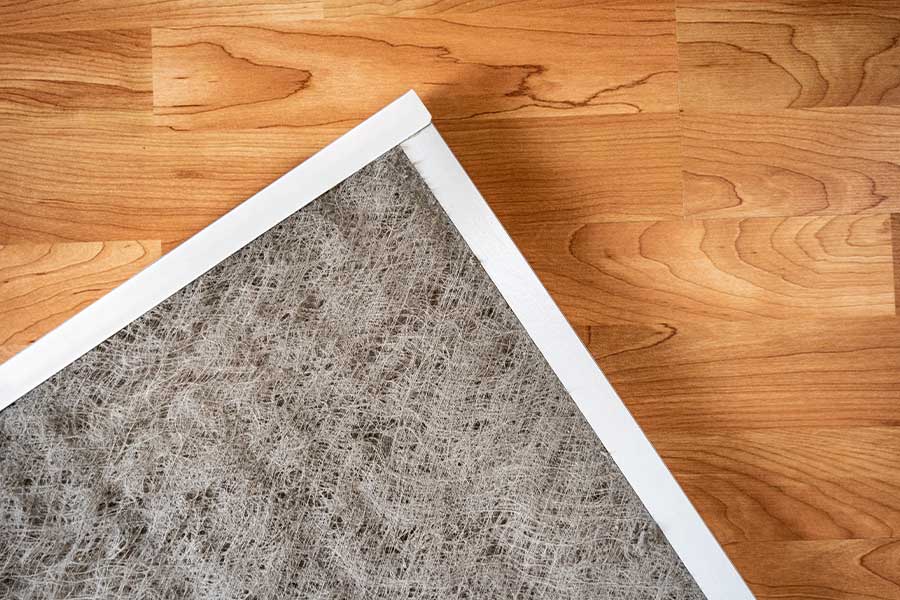
A dirty air filter is one of the most common and most preventable causes of air handler problems. When the filter becomes clogged with dust, pet dander, and debris, airflow through the system is restricted, forcing the air handler to work harder to move conditioned air through your home. According to the U.S. Environmental Protection Agency, maintaining clean filters is one of the most effective steps homeowners can take to protect both HVAC performance and indoor air quality.
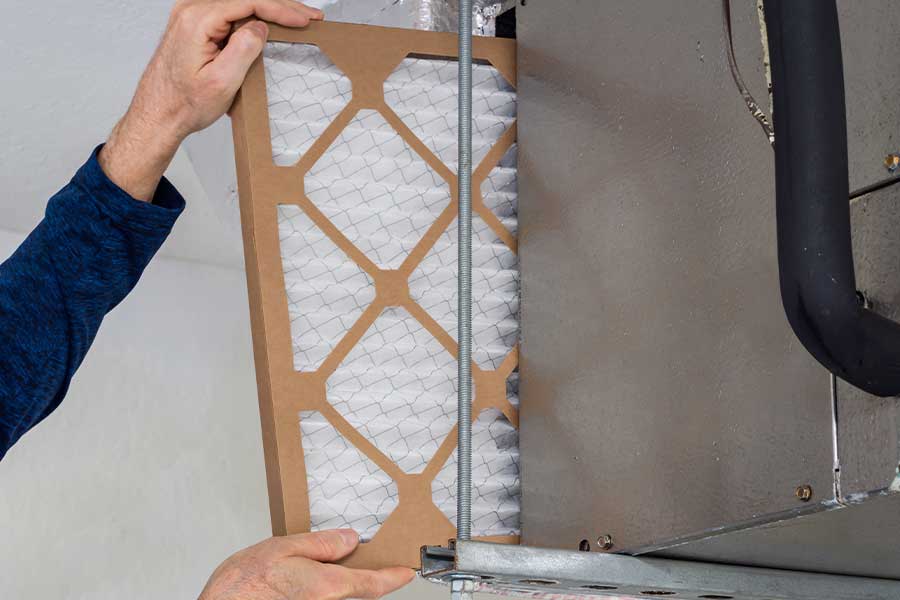
Filters should be checked monthly, especially during peak cooling and heating seasons, and replaced at least every three months under normal conditions. Homes with pets, older ductwork, or high dust levels may need more frequent changes. If you are unsure which filter type is right for your system or how often replacement is warranted for your specific setup, professional air filter replacement from a qualified technician takes the guesswork out of the process.
Verify Your Thermostat Settings
Thermostat miscommunication is a surprisingly frequent cause of air handler complaints. If the thermostat is set to the wrong mode, is reading the wrong temperature, or has lost its connection to the air handler, the system may short cycle, fail to reach the set temperature, or not run at all. Before calling for service, confirm the thermostat is set to the correct mode for the season and that the target temperature reflects your actual comfort needs.
If basic setting checks do not resolve the issue, the problem may go beyond settings. Older thermostats can drift in calibration over time, and low batteries can cause erratic behavior that mimics a more serious mechanical fault. If your thermostat is more than ten years old or is not compatible with your current air handler, a professional inspection can determine whether an upgrade makes sense for your system and comfort goals.
Examine the Drain Line
Your air handler produces condensation during normal operation, and that moisture is routed out of the home through a drain line. When that line becomes clogged with algae, sediment, or debris, water backs up into the drain pan and can overflow, causing water damage to surrounding areas and creating conditions favorable to mold growth. According to the CDC, indoor mold exposure can contribute to respiratory symptoms and other health concerns, making prompt attention to drain line issues important for more than just equipment performance.
Signs of a drain line problem include standing water in the drain pan, moisture around the base of the air handler, or a musty odor coming from the vents. These are not issues to defer. A technician can clear the line, inspect the drain pan for damage or rust, and confirm the line has the correct slope for proper drainage. This is one of the most common findings during routine maintenance visits in the Ona area.
Assess the Blower Motor
The blower motor is responsible for pushing conditioned air through your ductwork and into your living spaces. When it begins to fail, you may notice reduced airflow from registers, unusual sounds such as grinding or rattling during operation, or the air handler running but producing no airflow at all. Dust and debris accumulation on the motor is a common contributor to overheating and premature wear, which is why professional cleaning during annual maintenance matters.
If the motor fails to start entirely, the issue may involve a failed capacitor or a wiring fault rather than the motor itself. Either way, blower motor diagnosis and repair should be handled by a qualified technician. Attempting to inspect internal electrical components without proper training can cause additional damage or create a safety hazard. If you are experiencing any of these symptoms, an air handler inspection by a licensed professional is the right next step.
Check for Ductwork Air Leaks
Air leaks in your ductwork can significantly reduce the efficiency of even a perfectly functioning air handler. When conditioned air escapes through gaps, cracks, or disconnected joints before reaching your living spaces, your system works harder than necessary and your energy bills reflect that extra effort. Common signs of duct leaks include rooms that are consistently harder to heat or cool than others, excessive dust around registers, and energy bills that seem disproportionately high relative to your usage.
Duct sealing is not a DIY repair. Duct tape degrades quickly under thermal cycling and is not an appropriate solution for duct leaks despite its name. A technician performing professional duct repair and modification will use industry-standard materials and methods to locate and seal leaks properly, restoring system efficiency and improving comfort throughout your home.
Keeping Your Ona Home Comfortable Year-Round
Air handler issues rarely resolve themselves, and deferred maintenance almost always leads to higher repair costs down the road. Working in homes across Ona and the wider Cabell County area, our team sees firsthand how a little proactive attention keeps systems running efficiently through the demands of a full West Virginia seasonal cycle. Whether your air handler is showing early warning signs or has already stopped performing as it should, professional service is the fastest path back to reliable comfort.
If your air handler is giving you trouble or you simply want the confidence of knowing your system has been properly inspected, contact our team today to schedule a service visit with a local HVAC professional you can trust.
Frequently Asked Questions
How do I know if my air handler is failing? Common signs include weak or no airflow from registers, unusual noises during operation, water pooling near the unit, or a noticeable drop in heating and cooling performance.
How often should an air handler be serviced? At minimum once a year, ideally before the start of the peak cooling or heating season. Homes in climates with heavy seasonal demand like Ona benefit from consistent annual tune-ups.
What causes an air handler to stop blowing air? The most common causes are a failed blower motor, a tripped breaker, a clogged air filter restricting airflow, or a thermostat fault preventing the system from receiving the signal to run.
Can a dirty air filter damage my air handler? Yes. A severely restricted filter forces the blower motor to work harder, which accelerates wear and can lead to overheating and premature motor failure over time.
How long does an air handler typically last? Most air handlers are designed to last 15 to 20 years with regular professional maintenance. Systems that go without routine service tend to reach the lower end of that range.