

Key Points
- Water pooling around the unit often signals a damaged tank, loose connection, or faulty valve
- Inconsistent water temperature usually points to a failing thermostat, heating element, or sediment buildup
- Discolored or foul-smelling water can indicate corrosion and should never be ignored
- A sudden rise in energy bills often means the water heater is working harder than it should
A water heater rarely fails without warning. Pooling water, strange noises, or a sudden spike in your energy bill are all signs worth paying attention to before a minor issue turns into a major one.
Working in homes throughout Ona, our technicians see these same warning signs time and again, usually right before a homeowner ends up without hot water altogether.
Leaking Water Around the Heater
Water pooling around the base of your unit is one of the clearest signs something’s wrong. This can stem from a damaged tank, a loose connection, or a faulty valve, and it rarely resolves on its own.
If you notice a leak, turn off power to the unit first to avoid any electrical hazard, then have a technician identify the source. Left unaddressed, leaks can lead to mold growth or more significant water heater repair needs down the road.
Inconsistent Water Temperature
Water that fluctuates between hot and cold during a shower usually points to a failing thermostat, sediment buildup, or a heating element that’s starting to go. It’s an inconvenience now, but ignoring it often leads to losing hot water entirely.
A professional can diagnose which component is responsible and determine whether a repair or a full water heater installation and replacement makes more sense based on the unit’s age and condition.
Unusual Noises and Water Quality Issues
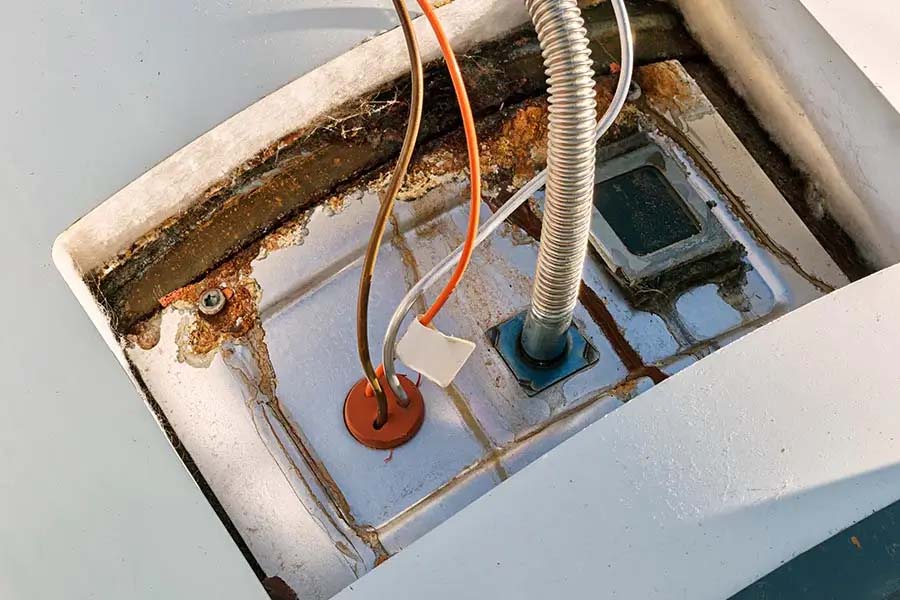
Banging, popping, or hissing sounds often indicate sediment buildup at the bottom of the tank, which reduces efficiency and can strain the unit over time. A persistent rumbling or gurgling noise may mean water is trapped and overheating inside the tank.
Discolored or foul-smelling water is another red flag. Rusty or yellow water, along with a metallic taste or odor, often points to corrosion or sediment buildup inside the heater. According to the EPA, sediment and corrosion in water heating systems can also affect water quality and should be addressed promptly to avoid health risks.
Rising Energy Bills
A sudden increase in your energy bill, without a clear seasonal explanation, often means your water heater is working harder than it should. Sediment buildup, leaks, or an aging heating element are common causes.
The U.S. Department of Energy notes that inefficient water heating equipment is one of the more common contributors to unexpectedly high utility bills, making it worth investigating sooner rather than later.
Common warning signs worth watching for include:
- Water pooling around the base of the unit
- Inconsistent temperature during showers or daily use
- Unusual noises like banging, popping, or rumbling
- Discolored or foul-smelling water coming from the taps
- Rising energy bills without a clear seasonal cause
Protecting Your Ona Home From Water Heater Failure
Based on what we see in Ona properties, most water heater failures show warning signs well before the unit actually fails. Catching these issues early is almost always less costly than dealing with a sudden leak or complete breakdown.
If you’ve noticed any of these signs, don’t wait for the problem to worsen. Contact our team today to schedule a water heater inspection.
Frequently Asked Questions
What does water pooling around my water heater mean?
It usually signals a damaged tank, loose connection, or faulty valve that needs professional evaluation.
Why does my water temperature keep fluctuating?
This is often caused by a failing thermostat, heating element, or sediment buildup inside the tank.
Is rusty or discolored water dangerous?
It can indicate corrosion inside the tank and should be inspected promptly to protect water quality.
Can a water heater cause higher energy bills?
Yes, an inefficient or failing unit often works harder to heat water, which increases energy consumption.
Should I repair or replace an aging water heater?
A professional inspection can help determine whether a repair is sufficient or if replacement is the more cost-effective option.