
Are you shopping for a new heating system? If you have a furnace and want to swap it out for something different, you might consider a boiler. What is the difference between a boiler and a furnace?
Best Virginia Heating & Cooling offers reputable HVAC services in Scott Depot, WV. Our experience with various systems allows us to guide you to the best choice. Let’s explore how a boiler differs from a furnace below.
Boilers vs. Furnaces: How Do They Work?
Furnaces and boilers are heating systems that work toward the same end goal of heating your home or business. However, they differ in how they operate and the medium they use to transfer heat.
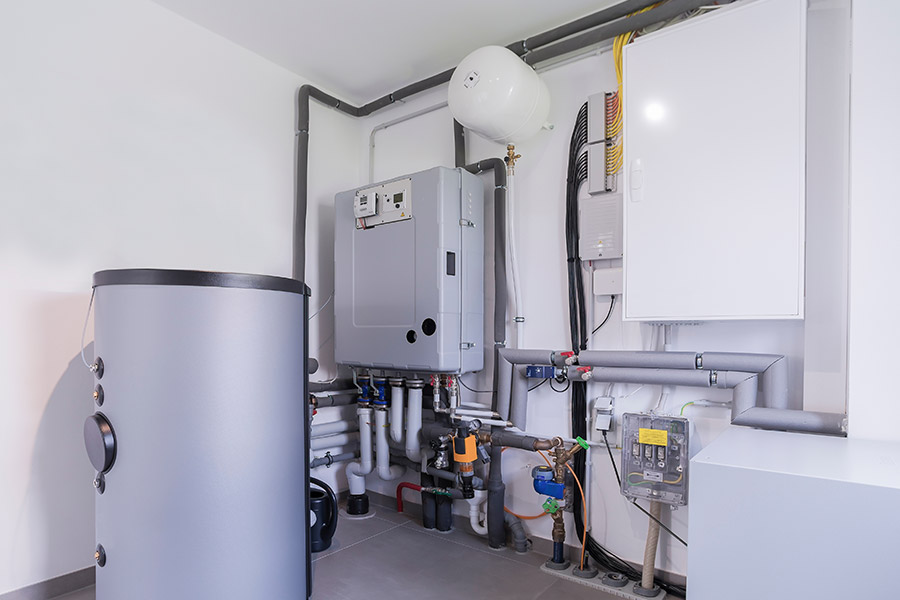
A boiler uses radiant heating to warm a building. That means it radiates heat through walls and floors rather than pushing air through vents. It does this by circulating water through a piping infrastructure that runs through each room in your home or business in Scott Depot, West Virginia.
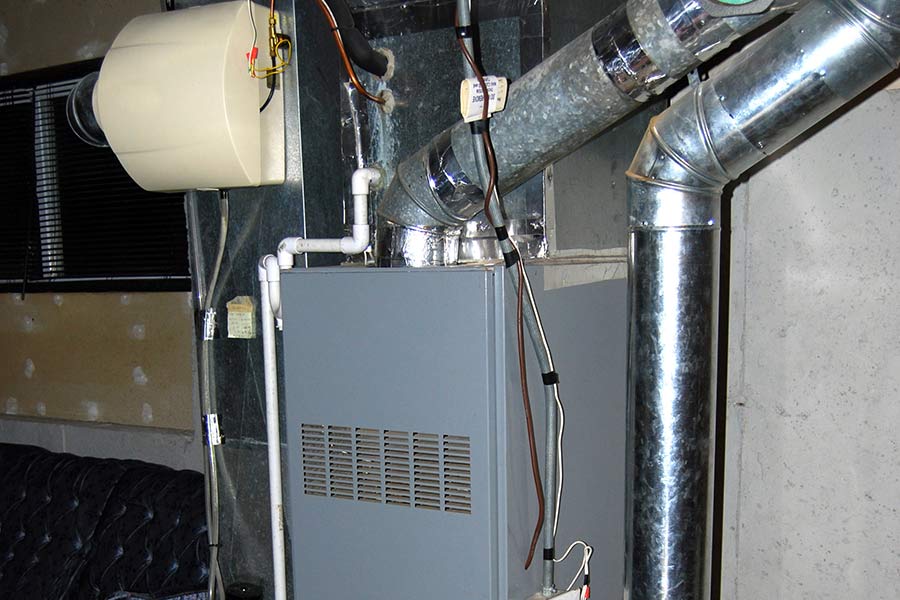
A furnace, on the other hand, uses forced-air heating to bring warmth to each room. It uses a power supply, like fuel or electricity, to ignite and generate heat. A blower compartment pushes that warm air into a duct network, which deposits warm air through vent openings throughout the building.
What Is the Difference Between a Boiler and a Furnace?
So, what is the difference between a boiler and a furnace besides how they operate?
- Energy efficiency: Boilers are, on average, more efficient than furnaces because moving liquid or vapor water takes less energy than pushing air.
- Service requirements: Furnaces require more consistent maintenance and repair services than their boiler counterparts.
- Fuel sources: Both systems can use electricity or fuel to power their heating cycles. However, some older boilers may run on wood pellets, which furnaces cannot do.
- Heating infrastructure: What is the difference between a boiler and a furnace? The infrastructure is the main difference, with boilers using pipe systems and furnaces connecting with ductwork.
- Appliance integration: You can typically connect your furnace with your cooling system. Boilers connect to water heaters or can even serve as water heaters in some models.
How should you factor these differences into your final decision? Experts can pinpoint which system might work best for your lifestyle and climate in Scott Depot, West Virginia.
Which Heater Should You Pick for Your Property in Scott Depot, West Virginia?
Let’s consider Scott Depot’s average weather patterns. You might start switching to your heating settings toward the end of August or the beginning of September, depending on how cold-natured you are.
Temperatures below 70 degrees Fahrenheit can last until early June or July. That means you might use your heating system for the vast majority of the year. What is the difference between a boiler and a furnace, and how each system performs under such conditions?
Review the Overall Costs
Cost is definitely a vital factor when installing a heating system. While boilers have more expensive installation costs, they boast impressive energy efficiency. You might find that they are a better long-term investment during the cool months.
Weigh Your Household’s Comfort Preferences
Since furnaces force hot air through ductwork, they come with the following comfort caveats:
- Arid indoor environment: Forced-air systems quickly dry the air, which makes the environment incredibly uncomfortable. In fact, dry air doesn’t hold heat as well as slightly humid air.
- Poor air quality: Dust, allergens, and other contaminants constantly enter and exit the ductwork, which can irritate your respiratory system.
- Noise: Furnaces are loud. You can always hear that tell-tale whooshing sound during each cycle.
Think about these issues when debating installing a boiler versus a furnace.
Evaluate the Equipment’s Service Needs
Even though a boiler costs more upfront, it often takes less work to run reliably. It has lower maintenance requirements and a longer lifespan than a furnace. You can get up to 30 years from a boiler whereas a furnace may only last 20 years or less.
Consider the Property’s Infrastructure
Ductwork takes up more space than many people realize. When building a home or business from the ground up, you can save interior space with the boiler’s pipe infrastructure versus the furnace’s duct network.
Best Virginia Heating & Cooling Can Help You Choose a Heating System in Scott Depot, West Virginia
What is the difference between a boiler and a furnace? Contact Best Virginia Heating & Cooling for an installation consultation to learn more in Scott Depot, West Virginia. You can also request repair services if your furnace is blowing cold air or has other problems.