
Key Points
- A cracked heat exchanger is the most common way carbon monoxide enters a home from a furnace
- Warning signs include soot, a yellow pilot light, and unusual odors near the unit
- Carbon monoxide is odorless and colorless, making detectors essential in every home
- Annual maintenance is the most effective way to catch problems before they become dangerous
Carbon monoxide is one of those risks most homeowners have heard of but don’t fully connect to their heating system. The truth is that a gas furnace can leak carbon monoxide, though not in the way most people assume, and understanding how it happens is the first step toward keeping a Hurricane home safe through the winter.
How This Happens With a Gas Furnace
Modern furnaces don’t burn carbon monoxide to produce heat, but they do generate it during the combustion process. Under normal conditions, flue pipes safely vent this gas outside the home. Problems arise when damage to the system redirects those gases back indoors instead.
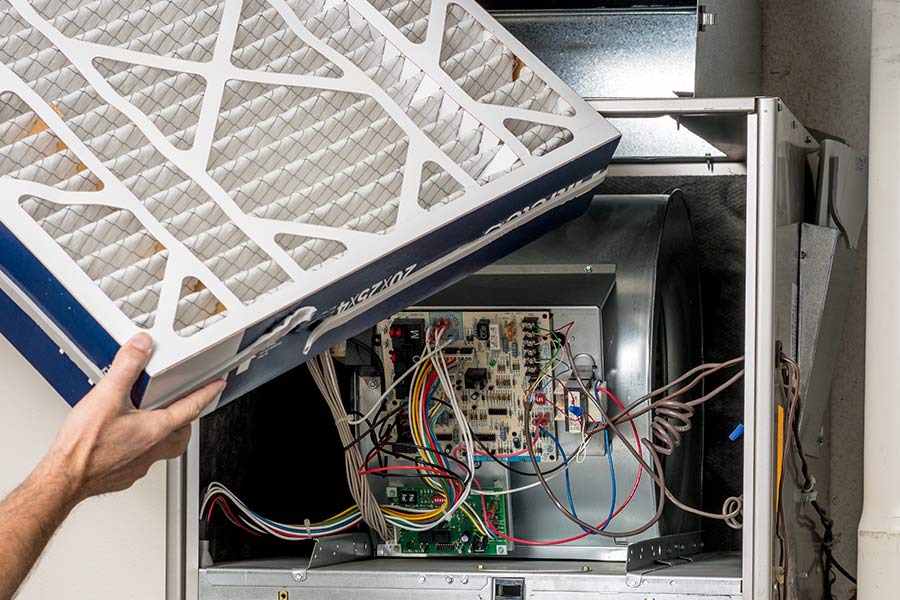
A cracked heat exchanger is the most common cause. This component filters flue gases after combustion, and once it cracks, gas can escape into the air circulating through your vents. A clogged air filter can contribute to this by restricting airflow enough to cause overheating, which puts additional stress on the heat exchanger over time. Faulty ductwork that allows flue pipes and indoor vents to mix is another less common but serious cause.
Warning Signs Worth Watching For
Because carbon monoxide itself is impossible to detect without proper equipment, a working detector is essential in any Hurricane home with gas-powered appliances. Beyond the detector itself, a few physical signs near the furnace can indicate a developing problem.
- Soot or smoke coming from the chimney
- A yellow pilot light instead of blue
- Burning odors near the unit
- The pilot light repeatedly failing to stay lit
- Excessive condensation building up around the furnace
If you notice any of these, shutting off the unit and scheduling an inspection right away is the safest course of action.
Health Risks of Exposure
Carbon monoxide exposure typically starts with headaches and progresses to dizziness, fatigue, and impaired coordination as exposure continues. Severe cases can lead to loss of consciousness or lasting organ damage. According to the Centers for Disease Control and Prevention, carbon monoxide poisoning sends thousands of people to emergency rooms every year, which underscores why early detection and prompt furnace inspections matter so much.
If your detector ever sounds an alarm, leave the home immediately and call for help before attempting to investigate the source yourself.
Preventing Carbon Monoxide Issues
Routine furnace maintenance scheduled each fall gives a technician the chance to inspect the heat exchanger, ductwork, and electrical components before winter demand puts real strain on the system. Working on furnaces throughout Hurricane and the surrounding area, we consistently find that homes on a regular maintenance schedule catch small issues, like early heat exchanger wear, long before they become a safety concern.
Changing your air filter every one to three months also helps prevent the airflow restrictions that contribute to overheating and eventual heat exchanger damage. Keeping registers clear of furniture and other obstructions supports the same goal.
When to Call for Furnace Repair
Sudden spikes in heating costs, inconsistent airflow, or unusual furnace behavior are all reasons to schedule an inspection between regular maintenance visits. A furnace repair visit can identify whether a cracked heat exchanger or another mechanical issue is behind the problem, and address it before it becomes a bigger safety risk.

Keeping Your Hurricane Home Safe This Winter
A furnace that’s properly maintained rarely poses a carbon monoxide risk, but the consequences of ignoring warning signs are serious enough that prevention is always worth the effort. Watching for the signs above and staying current on annual maintenance keeps your family protected through the coldest months. Contact our team today to schedule your furnace inspection or address any concerns about your system’s safety.
Frequently Asked Questions
Can a furnace really produce carbon monoxide?
Yes, during normal combustion, though a properly functioning system vents it safely outside the home.
What’s the most common cause of a furnace CO leak?
A cracked heat exchanger is the leading cause, often linked to prolonged airflow restriction or general wear.
How can I tell if my furnace has a carbon monoxide problem?
Watch for soot near the chimney, a yellow pilot light, burning smells, or excessive condensation near the unit.
Is a carbon monoxide detector really necessary if I have a gas furnace?
Yes. Since the gas is odorless and colorless, a detector is the only reliable way to catch a leak early.
How often should I have my furnace inspected for safety?
An annual inspection each fall is recommended, ideally before winter heating demand begins.