
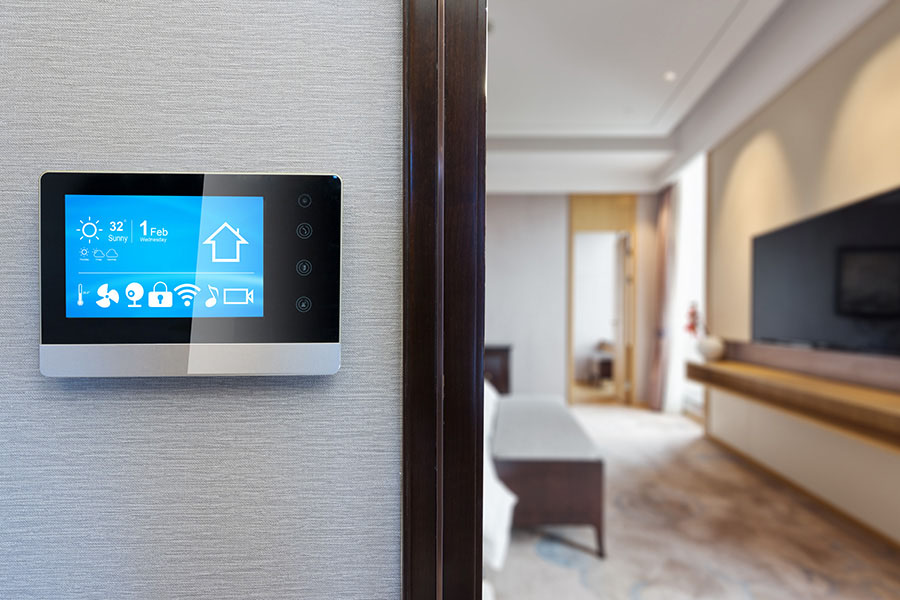
Smart thermostats offer genuine benefits in comfort, energy efficiency, and convenience, but getting them properly installed and configured is not always straightforward. In Winfield, WV, homeowners who run into installation issues typically encounter a handful of recurring problems: compatibility mismatches with their existing HVAC system, wiring errors, insufficient power supply, connectivity problems, and poor placement choices. Understanding these issues and knowing when to call a professional makes the difference between a smooth installation experience and a frustrating one.
At Best Virginia Heating and Cooling, we provide professional smart thermostat installation services to homeowners throughout Winfield and the surrounding Putnam County area. Our team is available 24 hours a day, 7 days a week, so expert support is always available when your installation does not go as planned.
How to Check Compatibility With Your HVAC System
Compatibility is the foundation of a successful smart thermostat installation, and verifying it thoroughly before purchasing equipment saves a great deal of frustration. Not every smart thermostat works with every HVAC system, and assuming compatibility without confirming it is one of the most common mistakes homeowners make.
Start by identifying your HVAC system type. Whether your home uses a furnace, heat pump, central air conditioning, or a combination system, the thermostat you select needs to be specifically compatible with that configuration. Heat pump systems in particular require thermostats that support the auxiliary and emergency heat functions those systems rely on.
Wiring configuration is equally important. Different systems use varying wire types and terminal arrangements, and the thermostat you choose needs to accommodate your existing wiring without requiring modifications your system cannot support. Consulting your HVAC system’s manual provides specific guidance on compatible wiring and terminal labeling.
Most smart thermostat manufacturers offer online compatibility checkers where you can enter your system’s model number and receive a definitive answer. If there is any uncertainty after going through those steps, consulting with a licensed HVAC professional before purchasing is always the more prudent path. In our service calls throughout Winfield and the communities along Route 34, we regularly help homeowners confirm compatibility and avoid the expense of returning incompatible equipment.
Common Smart Thermostat Installation Problems
Even homeowners who research compatibility carefully can encounter problems during the installation process itself. A few specific issues come up repeatedly and are worth knowing about in advance.
Miswiring is the most common installation error. Smart thermostats have multiple terminals, and connecting wires to the wrong terminals can cause system malfunctions ranging from erratic behavior to a complete failure to operate. Every wire connection should be double-checked against both the thermostat’s installation guide and the wiring diagram for your specific HVAC system before powering anything on.
Insufficient power supply is another frequent obstacle. If the thermostat fails to turn on or displays intermittent behavior after installation, the C-wire connection is often the cause. The C-wire provides the continuous 24-volt power that most smart thermostats require to operate their Wi-Fi radios and touchscreens. Systems that lack a C-wire may need a power adapter or a wiring modification to support a smart thermostat properly.
Compatibility issues can also surface even after a manufacturer’s compatibility checker gives a green light. Older HVAC systems sometimes behave unexpectedly with new smart thermostat technology in ways that generic compatibility tools do not fully account for.
Placement errors round out the list of common problems. Installing a thermostat near a window with direct sun exposure, in a drafty hallway, or near a heat-generating appliance will cause it to read temperatures inaccurately and make poor decisions about when to run your system. Our thermostat repair and installation services address all of these issues with the precision and care that a proper installation requires.
Troubleshooting Smart Thermostat Power and Connectivity Issues
Power and connectivity problems are among the most disruptive issues a smart thermostat can develop, and they often have straightforward solutions when approached systematically.
For power issues, start by confirming that the thermostat is fully seated on its base and that all wiring connections are secure. A loose connection at any terminal can prevent the unit from receiving adequate power. If the thermostat uses a C-wire for continuous power, verify that the wire is connected correctly at both the thermostat and the HVAC equipment.
For Wi-Fi connectivity issues, signal strength is the most common culprit. Smart thermostats are typically installed in interior hallways or central areas of the home that may be farther from the router than other connected devices. If the signal at the thermostat location is weak, a Wi-Fi extender can resolve the issue without requiring any changes to the thermostat itself. Restarting the router often clears temporary glitches that interfere with the initial connection or cause reconnection failures.
Firmware updates are also worth checking when connectivity problems persist. Outdated software can introduce performance issues that a simple update resolves. Most smart thermostats check for updates automatically when connected to Wi-Fi, but manually initiating a check through the device’s settings menu is sometimes necessary.
If power and connectivity problems continue after working through these steps, the issue may lie within the HVAC system itself rather than the thermostat. Our AC repair team can diagnose whether a deeper system issue is affecting thermostat performance and restore full functionality efficiently.
Tips for Properly Configuring Your Smart Thermostat
Getting the installation right is only part of the equation. Proper configuration determines how effectively the thermostat manages your home’s comfort and energy consumption on a daily basis.
Placement confirmation is the first configuration consideration. Even if the thermostat was installed in a reasonable location, it is worth verifying that it is not exposed to direct sunlight at any point during the day, positioned near a drafty window or exterior door, or located close to a heat-generating appliance. Any of these conditions will cause inaccurate temperature readings that lead to inefficient system operation.
Connecting the thermostat to your home’s Wi-Fi network unlocks remote access and enables features such as geofencing, scheduling, and integration with smart home platforms. Setting up heating and cooling schedules based on your household’s actual daily routines maximizes both comfort and energy savings. A thermostat that adjusts temperatures automatically based on when people are home and when they are not delivers meaningful reductions in energy consumption over time.
Temperature calibration ensures that what the thermostat reads matches the actual temperature in your living spaces. Many smart thermostats allow for offset adjustments in the settings menu to correct for minor inaccuracies. Keeping firmware updated ensures you benefit from the latest performance improvements and security patches as they become available from the manufacturer.
When to Contact Best Virginia Heating and Cooling for Assistance
Some smart thermostat issues respond well to the troubleshooting steps described above. Others indicate underlying problems with the HVAC system that no amount of thermostat adjustment will resolve.
Inconsistent temperatures throughout the home, frequent system cycling that does not correspond to thermostat settings, and a thermostat that repeatedly loses connectivity or fails to respond to adjustments are all situations where professional evaluation is appropriate. These symptoms suggest that the issue may extend beyond the thermostat itself to the equipment it controls.
Homeowners who are uncertain about optimizing energy efficiency settings or navigating the more advanced features of their smart thermostat also benefit from professional guidance. Getting the configuration right from the start produces better long-term results than experimenting independently over an extended period.
Based on what we see in Winfield, WV properties, smart thermostat problems that seem complex often have straightforward solutions once a trained technician evaluates the full system. Our team understands the local climate demands of the Putnam County area and can ensure your thermostat and HVAC system are working together as efficiently as possible. Pairing a properly configured smart thermostat with routine AC maintenance keeps your entire system performing at its best through every season.
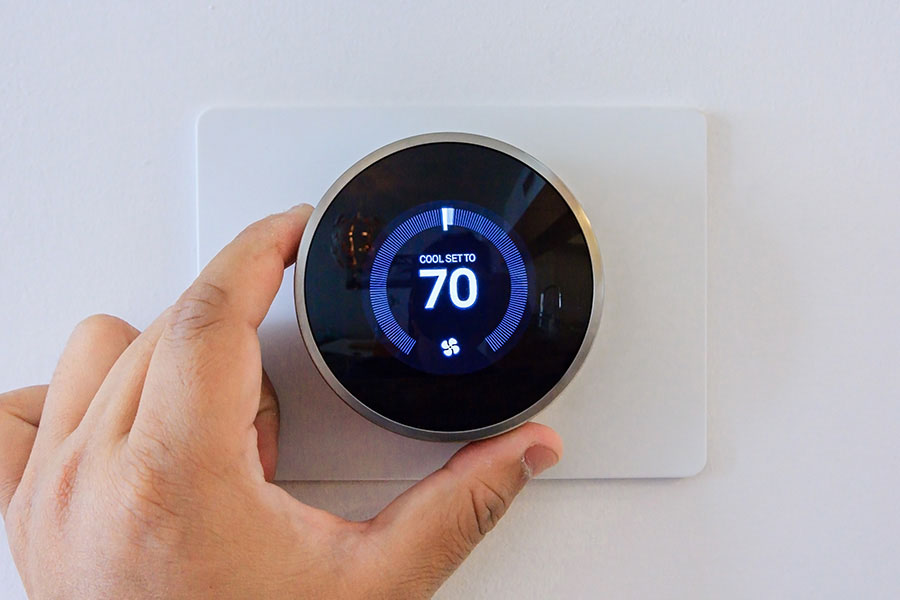
Getting the Most From Your Smart Thermostat in Winfield, WV
A smart thermostat is one of the most practical upgrades a homeowner can make to improve comfort and reduce energy costs, but realizing its full potential depends on a correct installation, proper configuration, and a compatible HVAC system behind it. When any of those elements fall short, the benefits of the technology are diminished and frustration follows.
At Best Virginia Heating and Cooling, we help homeowners throughout Winfield, WV, get smart thermostat installations done right the first time and resolve issues efficiently when they arise. Our team is available 24 hours a day, 7 days a week, because comfort questions and installation challenges do not always arise during business hours. Contact our team today to schedule your smart thermostat installation or to get expert help resolving an existing issue.