
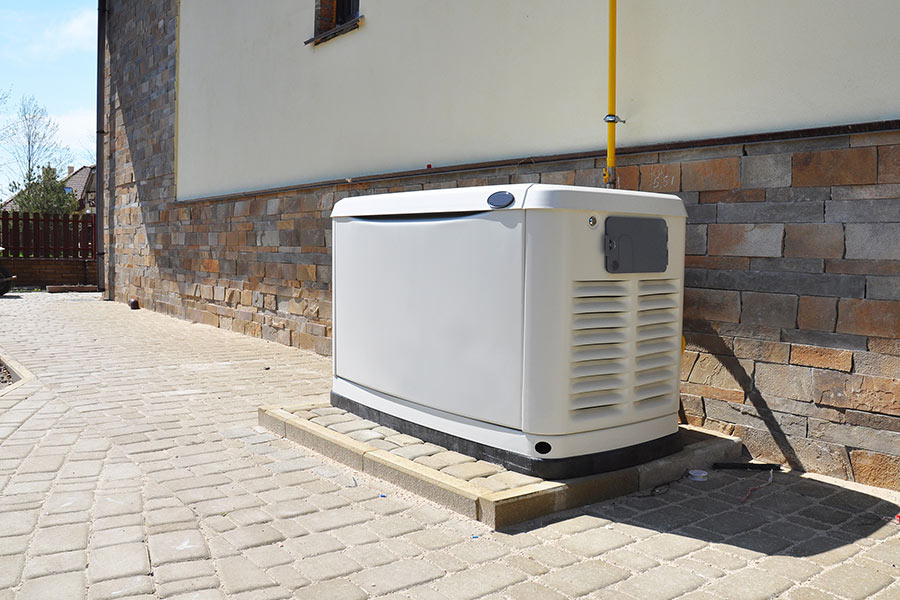
For homeowners in Winfield, WV, power outages are not a rare inconvenience. They are a recurring reality that comes with living in a region where severe weather can arrive with little warning and linger for days. A whole house generator is one of the most practical investments a homeowner can make to protect their family’s comfort and safety when the grid goes down. Understanding the installation process, the costs involved, the features worth prioritizing, and how to maintain your equipment properly puts you in the best position to make a confident, well-informed decision.
At Best Virginia Heating and Cooling, we provide professional emergency generator installation services to homeowners throughout Winfield and the surrounding Putnam County area. Our team is available 24 hours a day, 7 days a week, so reliable support is always within reach when your home needs it most.
The Critical Need for Whole House Generators in Winfield, WV
Winfield’s weather patterns make the case for whole house generator ownership better than any sales pitch could. Storms roll in with limited warning along the Kanawha River valley, and when they knock out power, the outage can last hours or several days depending on the extent of damage to the surrounding grid infrastructure.
The consequences of an extended outage extend well beyond inconvenience. Losing heating during a winter storm or air conditioning during a stretch of summer heat creates genuine health risks, particularly for elderly family members, young children, and anyone with medical conditions that require climate-controlled environments or electrically powered medical equipment. Food spoilage, sump pump failure during heavy rain events, and the loss of lighting and communication add further layers of disruption to an already stressful situation.
A whole house generator eliminates these vulnerabilities by automatically restoring power within seconds of an outage, keeping your home’s essential systems running without requiring any manual intervention. The investment is not simply about convenience. It is about ensuring that your family remains safe, comfortable, and functional regardless of what the weather brings.
How Whole House Generator Installation Works
Professional generator installation follows a structured process that ensures the equipment is properly sized, correctly positioned, safely connected, and fully operational before the job is considered complete.
The first and most important step is determining the right generator size for your home’s specific power requirements. A unit that is undersized will be unable to support all of your home’s critical systems simultaneously, while an oversized unit represents unnecessary upfront cost. A licensed technician calculates your home’s load requirements based on the appliances and systems you need to keep running during an outage and recommends a unit with the appropriate wattage capacity.
Location selection follows. Generators must be installed outdoors on a stable, level surface with adequate clearance from windows, doors, and utility entry points to prevent exhaust gases from entering the home. Proper drainage at the installation site prevents water accumulation that can damage the unit over time. Local code requirements govern setback distances and other placement specifications that must be followed to ensure a compliant installation.
Once the site is prepared and the unit is positioned, connection to the home’s electrical system is completed using a transfer switch. The transfer switch is the critical component that safely isolates your home from the utility grid during an outage, preventing back-feeding that could endanger utility workers, and automatically routes generator power to your home’s circuits. A thorough operational test confirms that every component is functioning correctly before the installation is finalized. Our generator repair services provide ongoing support to keep your system reliable long after the initial installation is complete.
Common Costs and Financing Options for Generator Installation
Understanding the full cost picture before committing to a generator installation helps you plan appropriately and avoid surprises. Whole house generator pricing varies based on capacity, fuel type, brand, and the complexity of the installation site, but most homeowners should expect the equipment itself to fall in the range of five thousand to fifteen thousand dollars depending on those factors.
Installation labor and site preparation add to the total, typically ranging from one thousand to three thousand dollars depending on what the job requires. Homes that need electrical panel upgrades, extended gas line runs, or significant site preparation work will fall toward the higher end of that range. Annual maintenance costs average around three hundred dollars and should be factored into the long-term ownership picture alongside the upfront investment.
Financing options make whole house generator installation more accessible for households that would prefer to spread the cost over time rather than paying the full amount upfront. Many reputable installation companies offer payment plans that allow the investment to be managed within a monthly budget. Local and federal incentive programs occasionally offer additional financial relief, and it is worth researching what may be available in Putnam County at the time of your installation. Pairing your generator with an electrical panel replacement if your current panel is aging or undersized ensures that the new generator connects to an electrical system that is fully capable of supporting it safely and efficiently.
Essential Features to Consider in Whole House Generators
Not all generators are equal, and understanding which features matter most for your household’s needs helps ensure you invest in equipment that will serve you well for years to come.
Power output is the primary specification to evaluate. The generator you choose must be capable of handling your home’s total electrical load during an outage, with some headroom to spare. A technician’s load calculation provides the specific wattage requirement your home needs, which should guide your equipment selection rather than general estimates.
Fuel type is a practical consideration that affects both ongoing cost and convenience. Natural gas and propane generators connect to existing fuel supplies and do not require manual refueling, which makes them the preferred choice for whole house applications. Diesel generators offer high output but require fuel storage and more frequent refueling during extended outages.
An automatic transfer switch is not optional for whole house applications. This component detects an outage and starts the generator automatically, restoring power within seconds without requiring any action from the homeowner. For households where occupants may not be physically present when an outage occurs, automatic operation is essential.
Noise level affects both your household’s comfort and your neighbors’ experience during extended outages. Modern standby generators are considerably quieter than older designs, and choosing a model with a low decibel rating is worth the consideration particularly in residential neighborhoods. Warranty coverage and the availability of local service support round out the key evaluation criteria.
How to Maintain Your Whole House Generator for Longevity
A whole house generator represents a significant investment, and protecting that investment through consistent maintenance ensures the equipment performs reliably when it is actually needed. Based on what we see in Winfield, WV properties, generators that receive regular professional attention remain dependable for many years, while those that are installed and neglected frequently fail at the worst possible moments.
Oil level checks and oil changes performed on the manufacturer’s recommended schedule are the most fundamental maintenance requirement for any generator engine. Air filter replacement maintains proper combustion airflow and prevents engine damage from dust and debris ingestion. Battery terminal cleaning prevents the corrosion that can prevent the automatic starting system from functioning during an outage.
Monthly test runs of at least thirty minutes keep the engine lubricated, exercise the transfer switch, and allow you to identify any developing issues before an actual outage demands full performance from the equipment. This simple habit is one of the most effective ways to ensure reliable operation.
Annual professional inspections provide a comprehensive evaluation of every system component, including fuel delivery, electrical connections, transfer switch function, and overall mechanical condition. An experienced technician can identify developing issues that a homeowner inspection would not catch and address them before they become failures. Our smart thermostat installation services complement your home’s overall energy management by ensuring your HVAC system operates as efficiently as possible alongside your backup power equipment.
Protecting Your Winfield Home With Reliable Backup Power
A whole house generator transforms how your household responds to power outages, replacing disruption and uncertainty with confidence and continuity. For Winfield homeowners who have experienced extended outages firsthand, the value of that reliability is immediately clear. For those who have not yet faced a prolonged outage, investing in a generator before one occurs is the kind of preparation that pays dividends precisely when it matters most.
At Best Virginia Heating and Cooling, our licensed technicians bring the expertise needed to size, site, install, and commission your generator correctly from the start. We serve homeowners throughout Winfield and the surrounding Putnam County communities with the same commitment to quality and honest service that defines every job we take on.
Our team is available 24 hours a day, 7 days a week, because power outages do not follow a convenient schedule and neither should your access to professional support. Contact our team today to schedule a generator installation consultation and take a confident step toward a more resilient, better-protected home.